
Supply Chain Security
Shadow IT Breeds Hidden Dependencies
Your no-code and automations ecosystems rely on thousands of connectors, APIs, and plugins, many outdated or untrusted.
Kanopy brings them into view fast, mapping every dependency in a single day.

When the Roots Get Tangled, Kanopy Sorts Them Out
Dependency chains don’t break all at once, they slowly twist. As permissions shift and integrations evolve, hidden pathways form that can quietly expose critical systems.
Kanopy tracks dependencies across platforms, identifying untrusted or end-of-life components, unsafe connector usage, high-risk links into sensitive systems, and shadow IT dependencies that bypass security review, before they turn into incidents.
See the Connectors You Didn’t Know Existed
No-code and RPA tools multiply integrations faster than teams can track. Kanopy gives you a complete, up-to-date picture of what’s connected and how it’s used.
From blind spots to a clear map

Deprecated or risky connectors still running in production

Orphaned integrations linking sensitive systems

Unapproved third-party dependencies introduced without review

Unknown components added by citizen developers

Dependency relationships mapped across apps, flows, and automations

External resources installed in personal workspaces introduce new vulnerabilities
Secure the Chain Without Slowing the Growth
Your ecosystem can keep expanding, safely. Kanopy strengthens your supply chain while keeping the development jungle moving at full speed.
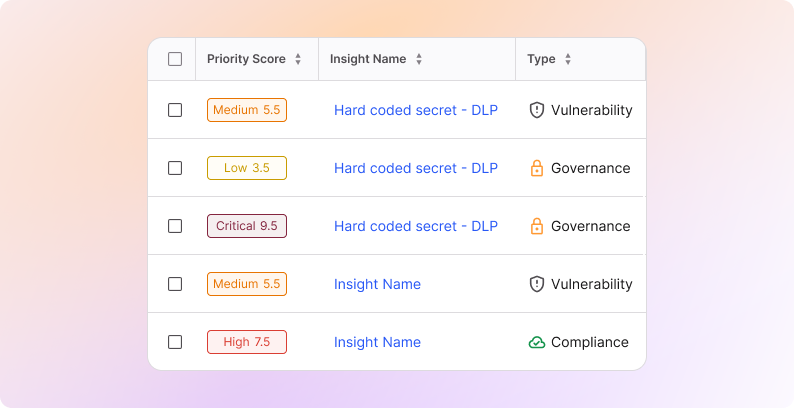
Risk scoring based on business criticality
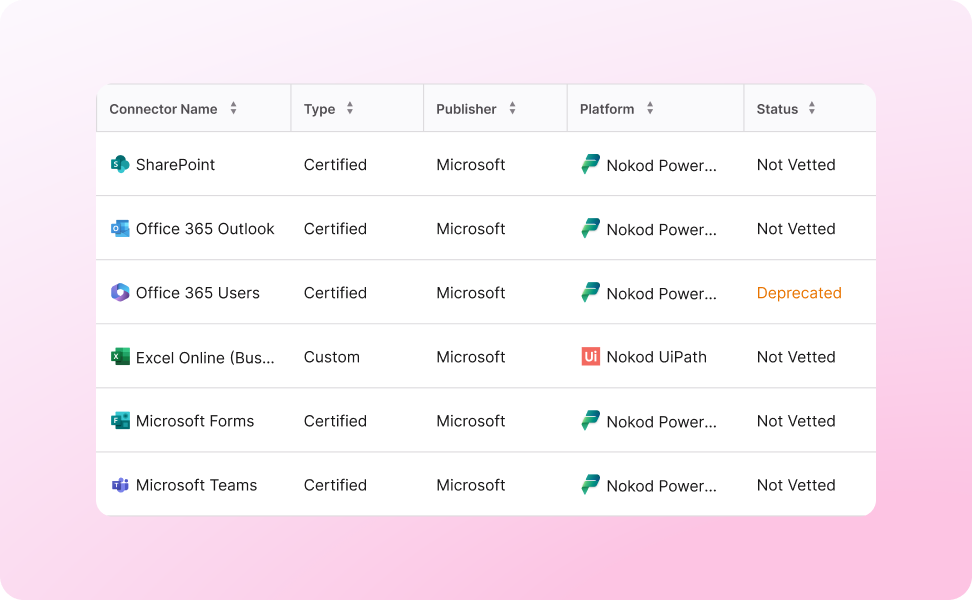
Connector governance applied consistently across platforms

A continuously updated dependency map that stays current as environments change
Frequently Asked Questions
Kanopy flags deprecated or risky connectors still running in production, orphaned integrations linking sensitive systems, and unapproved third-party dependencies introduced without review. It also surfaces unknown components added by business builders and external resources installed in personal workspaces.
Kanopy tracks dependency relationships across apps, flows, and automations, building a map that updates continuously as environments change. Business-built and RPA tools multiply integrations faster than any team can track by hand, which is why that map needs to stay current on its own.
Yes. Kanopy applies risk scoring based on business criticality and enforces connector governance consistently across platforms, so no dependency gets treated the same as another by default.

